Crisis Point
"Sometimes breaking down is the breakthrough." — Unknown
The week after the ladder incident passed in a kind of fog—not the brain fog he'd read about in mold illness forums, but an emotional fog, the kind that comes from having your worldview fundamentally disrupted.
Bram continued working, though "working" was generous. He supervised. He made calls. He handled paperwork. But the physical labor, the hands-on problem-solving that had been his identity for 20 years, was increasingly beyond his capability.
Miguel and Marcus had stopped pretending not to notice.
The Admission
It was Miguel who finally broke the silence one lunch break, the crew sitting in the shade of Bram's truck, eating sandwiches.
"Boss, you need to take time off."
Bram looked up from his phone, where he'd been reading yet another article about mold illness. "I'm fine."
"You're not fine. You can barely walk. Yesterday you couldn't get out of the truck without help."
"I had a bad day."
"You've had three months of bad days."
Marcus joined in, younger but earnest: "We can handle things for a while. Take a week. Get your health sorted."
The kindness in their voices was worse than if they'd been annoyed. Bram felt something crack in his chest—not physically, but emotionally, like the moment just before you finally let yourself cry.
"It's not going to get better in a week," he heard himself say. The admission surprised him.
"Then take two weeks. A month. However long it takes."
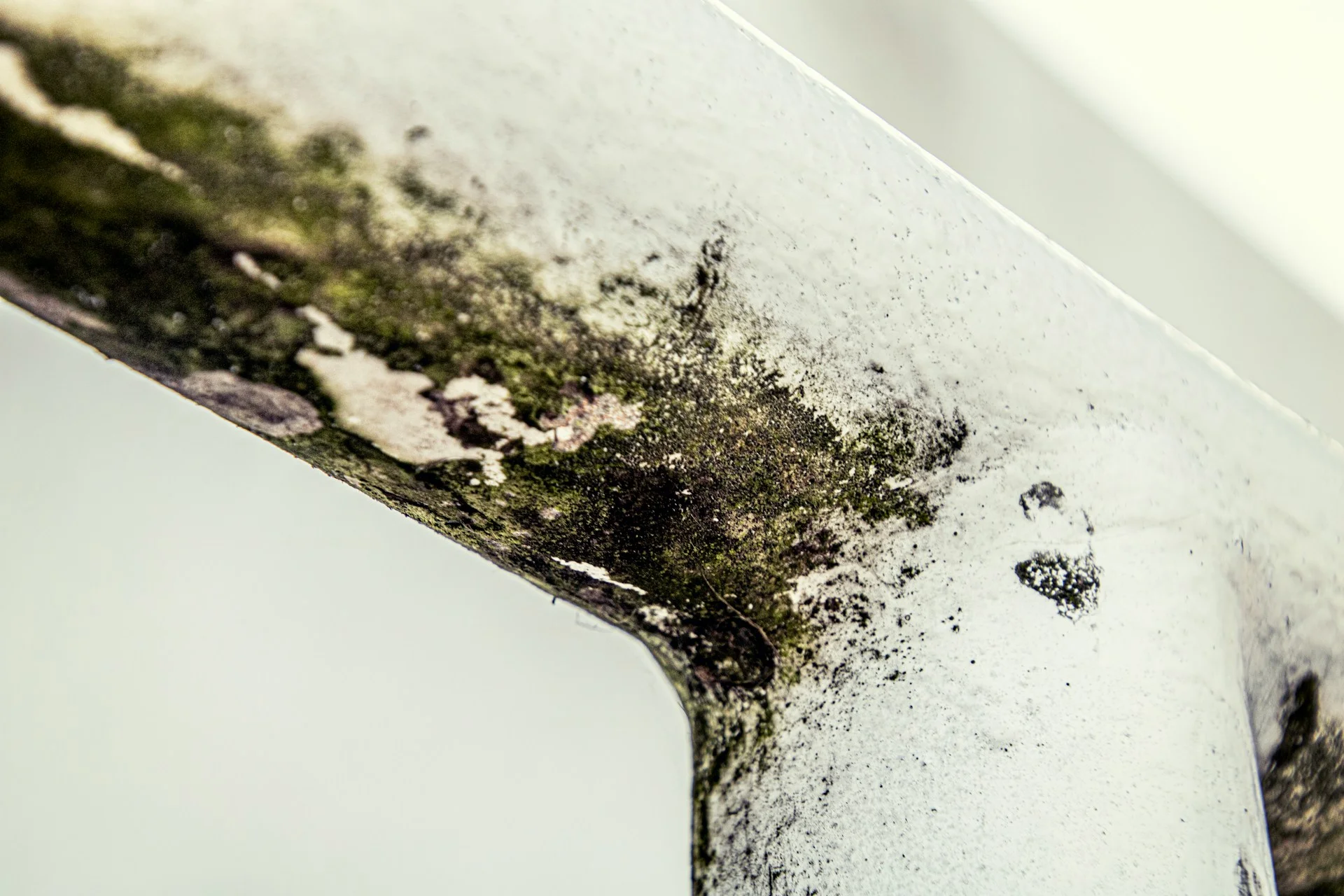
"I think..." Bram paused, the words feeling strange and dangerous. "I think there's mold in my house. Toxic mold. I think it's been making me sick."
He expected skepticism, maybe jokes about conspiracy theories or hippie nonsense. Instead, Miguel nodded slowly.
"That makes sense. You smell musty sometimes. I thought it was just old house smell."
"My house is only eight years old."
"Not age. Moisture. That's a mold smell."
They sat with that for a moment. Then Marcus asked the practical question: "So what do you do about it?"
"I don't know. I'm figuring it out."
Dr. Cassandra Corposano
The rheumatology referral from urgent care still hadn't called to schedule. Eight to ten weeks, they'd said. By the time they got around to him, he might not be walking.
Emma found Dr. Cassandra Corposano through a support group for people with environmental illness. She presented it casually — I was looking around online — but Bram would learn much later that Cal had made a phone call. He'd actually met Dr. Corposano at a mold and allergy conference two years earlier, back when he was researching indoor air contamination for his thesis. When Emma told him about the urgent care visit, he'd called her office directly and asked a favor. He hadn't asked Emma to mention his name.
Dr. Corposano was two hours away, didn't take insurance, and normally had a three-to-four-month wait for new patients—but she specialized in mold illness, one of only a handful of doctors in the state who did. Cal's call got Bram in within two weeks.
Bram made the appointment, paid the $400 new patient fee out of pocket, and Emma drove him two hours each way for what turned out to be the first medical interaction in his adult life where he felt actually heard.
Dr. Corposano was in her fifties, with the kind of calm competence that comes from having seen it all before. She took a full hour for the intake appointment—unheard of in Bram's limited experience with doctors.

"Tell me everything," she said, making eye contact, actually listening.
Bram talked for twenty minutes straight. The timeline. The symptoms. The house. The unfinished bathroom. The guest bedroom demo. The urgent care dismissal. His father's death and his resulting distrust of medicine. All of it.
Dr. Corposano nodded throughout, taking notes on an actual paper pad, not a tablet.
"What you're describing is consistent with CIRS—Chronic Inflammatory Response Syndrome—from mold exposure," she said when he finished. "But I want to run comprehensive testing to rule out other causes and to establish baselines. We'll test your inflammatory markers, check for autoimmune conditions, look at mold antibodies, and assess your overall immune function. We'll also test your home environment."
Environmental. There was that word again — drifting through like a song he couldn't place. He pushed it aside before it could become a face, a name, a field of study he'd dismissed as impractical.
"How long will that take?"
"Results come back in stages over two weeks. But Bram, I need you to understand something important before we proceed."
She leaned forward, hands folded on her desk.
"This isn't a quick fix. If mold is the trigger—and I think it probably is based on your presentation and history—removing the exposure is step one. But your body has been in inflammatory overdrive for months, possibly longer. Your immune system is stuck in a loop, attacking your own tissues. Turning that off takes time. Healing the damage that's already occurred takes even longer. Are you ready for that?"
"I don't have a choice."
"You always have a choice. Most people don't want to hear that recovery requires months of disciplined work. They want a pill that fixes everything. There isn't one. There's no magic supplement, no single intervention. What works is comprehensive, systematic support while your body heals itself—removing toxin exposure, optimizing nutrition, managing inflammation, physical rehabilitation. So I'm asking: are you ready to do that work?"
The Recovery Path Ahead
Dr. Corposano's approach involves multiple interconnected protocols. For details on each component, see Recovery Protocols.
Bram thought about the ladder incident. About lying in his truck bed during lunch breaks. About Miguel and Marcus covering for him. About the look on Emma's face when she found him with the ice packs that night.
"I'm ready."
"Good. Let's get started."
On the drive home, Emma's phone buzzed. She glanced at it, typed a quick reply one-handed.
"Cal?" Bram asked. He wasn't sure why he'd said it.
"Yeah. He just wanted to know how it went."
Bram watched the highway lines pass. Environmental engineering. Chronic Inflammatory Response Syndrome. Mold exposure. He'd just paid $400 to hear a doctor say what his daughter's boyfriend studied for a living.
"Tell him it went fine," Bram said.
Emma typed the message and locked her phone. She didn't mention that Cal had sent her three articles about CIRS the night before the appointment — just in case Dad has questions after — or that he'd offered to come along and wait in the car.
Continue to Chapter 4: The Testing or return to Journey Home